The Karakoram Highway: From Kashgar to Islamabad by Bicycle
The Karakoram Highway runs from Kashgar in western China through northern Pakistan to the plains beyond the Babusar Pass — and for long stretches it passes through some of the most impressive mountain scenery I have encountered anywhere in the world.
I rode this route as part of a longer journey from the Pamir Highway, continuing through Kashgar and all the way to Islamabad — including a detour through the Astore Valley to the Herrligkoffer Base Camp.
The Landscape
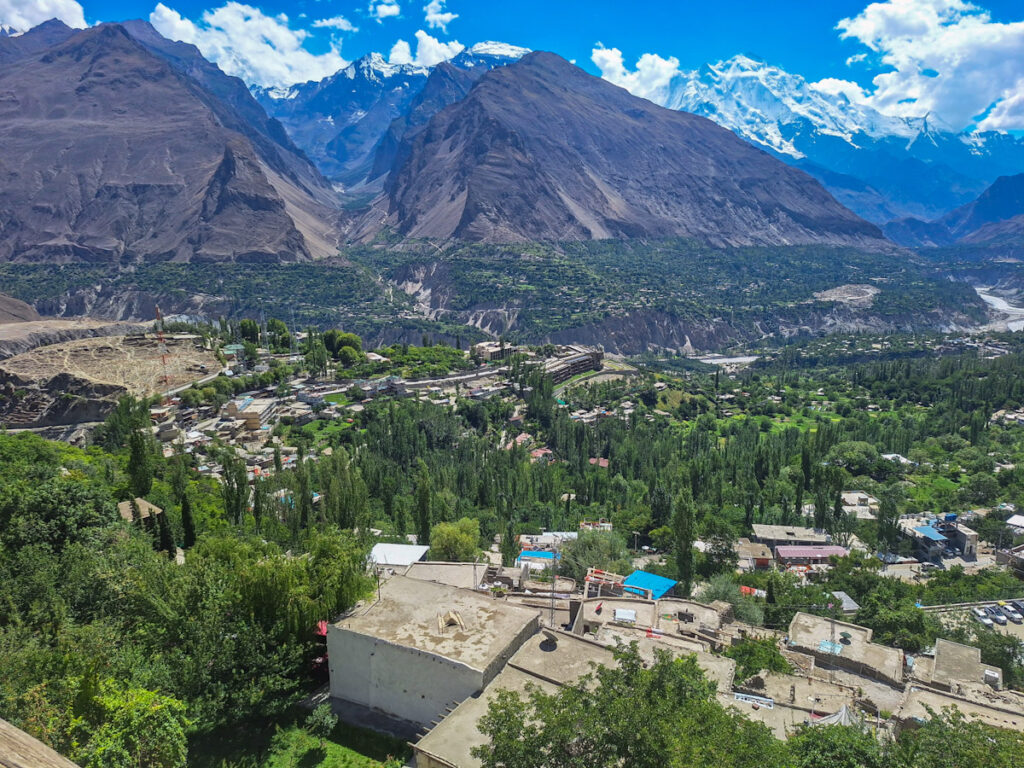
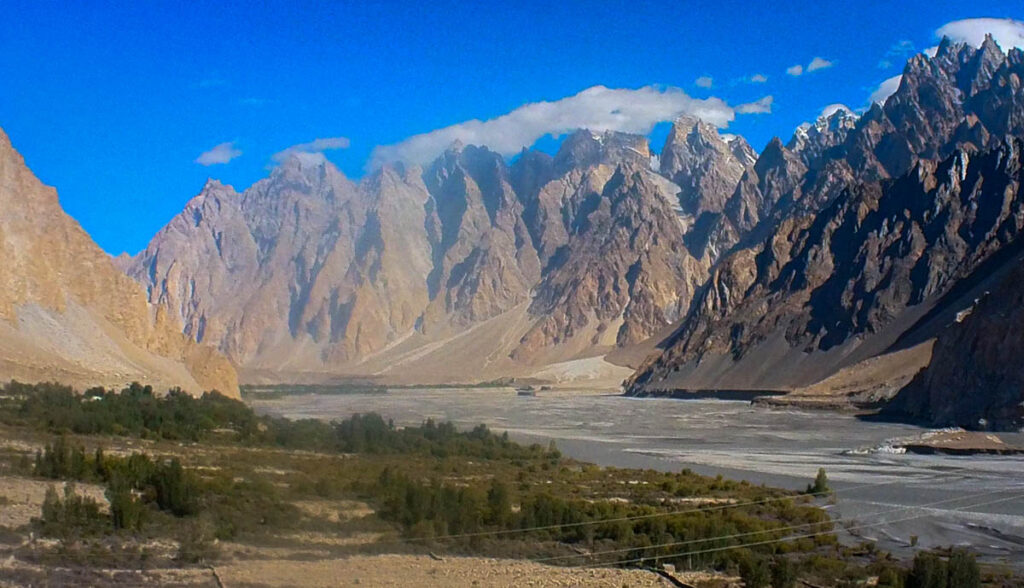
The climb from Kashgar into the high plateau sets the tone early. But it is the Hunza Valley and the area around Gilgit where the landscape becomes genuinely overwhelming. This is the point where three of the world’s great mountain ranges converge — the Himalayas, the Hindu Kush and the Karakoram — and the scale of it is difficult to put into words.
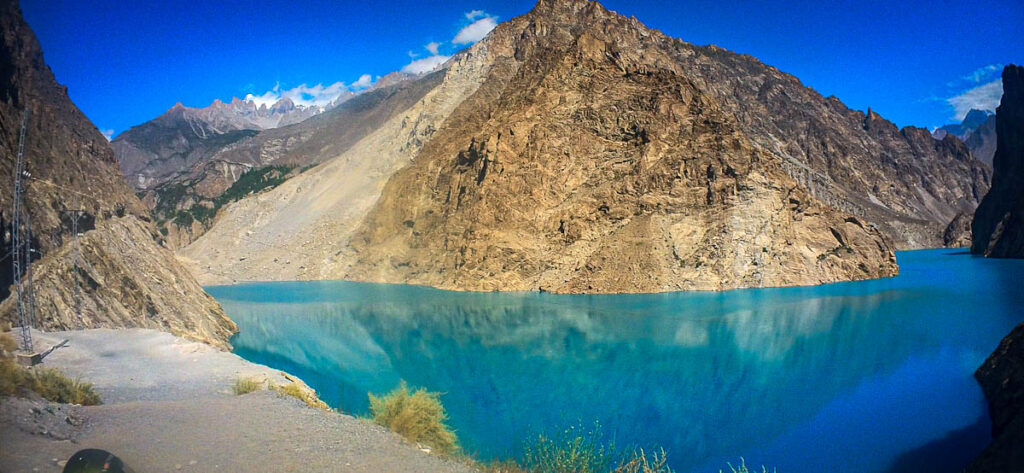
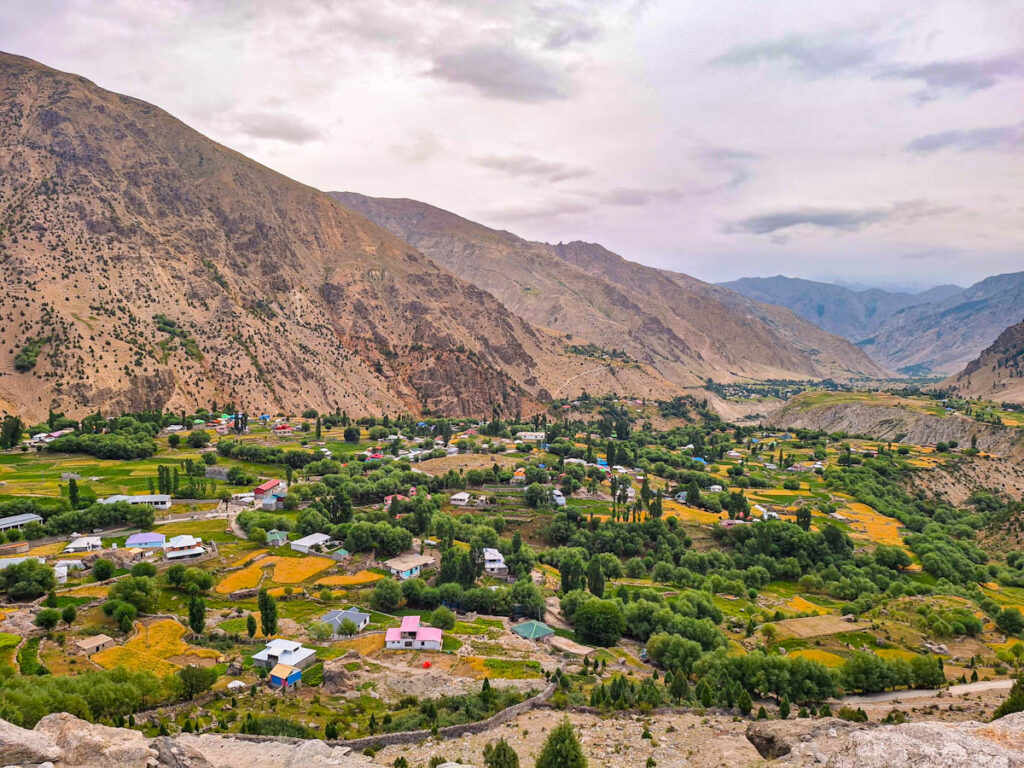
Pakistan also offers opportunities to explore remote side valleys that most travelers never reach. The Astore Valley detour to the Herrligkoffer Base Camp was one of the most memorable sections of the entire trip — well worth the extra days.
The Road
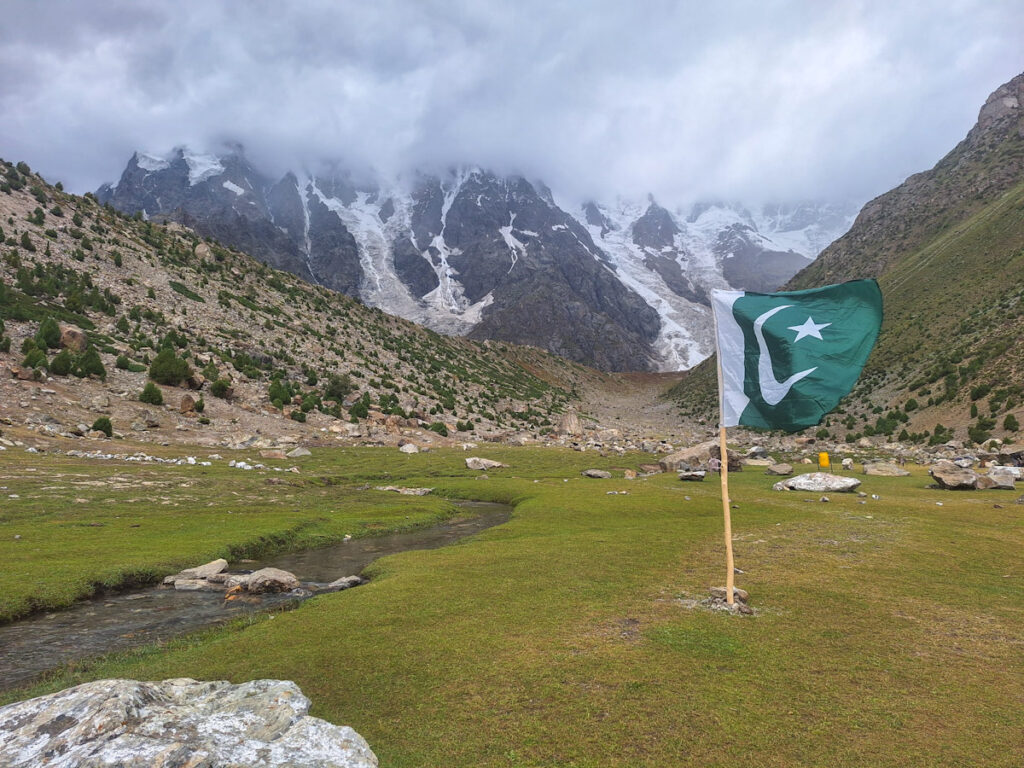
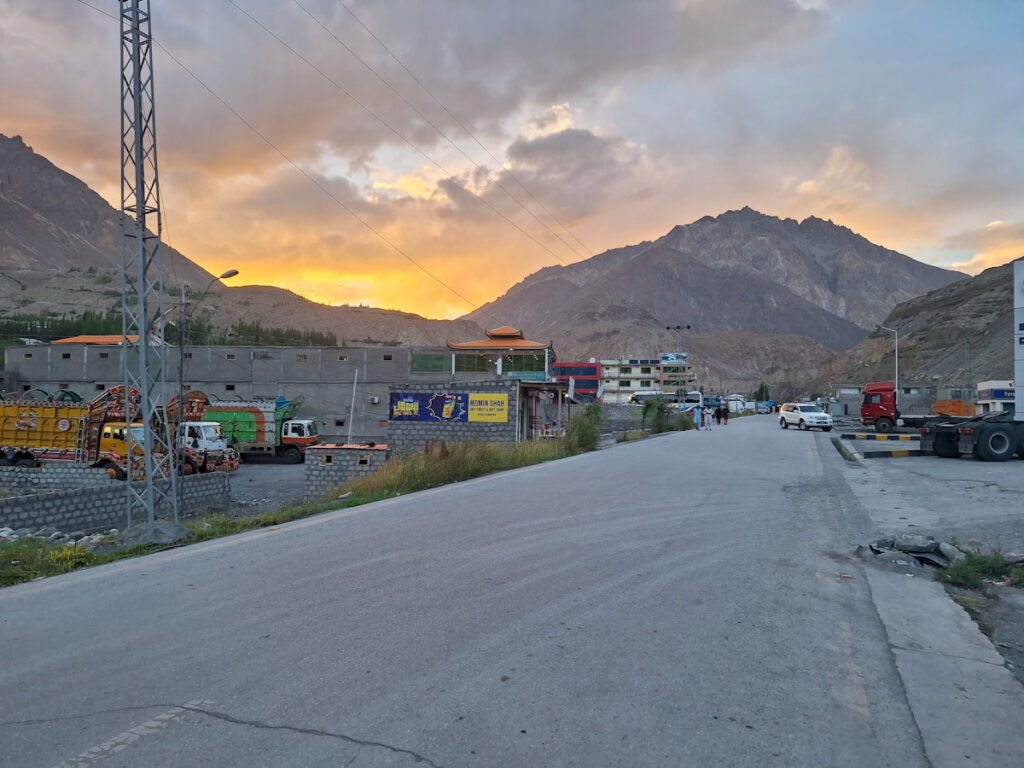
The main highway is in excellent condition throughout — fully asphalted and well maintained. This is not a coincidence: the road was built by China and remains one of the best-paved routes in the region.
One practical exception: the pass crossing between China and Pakistan cannot be cycled. Bicycles must be loaded onto a bus for that section. Everything else is rideable.
Route Options
The full route from Kashgar to Islamabad is comfortably doable in two weeks if you stick to the main highway. But two weeks leaves little room for side valleys, rest days or detours — and the side valleys are often the best part. More time is better.
From Chilas, there is a choice:
Option 1 — Babusar Pass: A beautiful mountain crossing that requires good timing. I hit snow at the top in end-August — the pass closes early and conditions can change quickly. Check current conditions before committing.
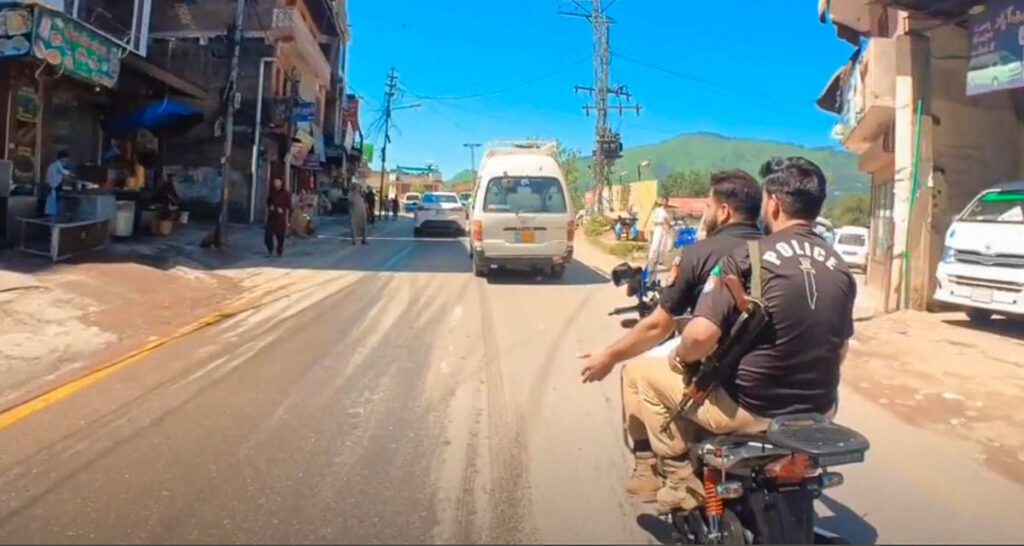
From Chilas onward through Khyber Pakhtunkhwa (KPK) you will be assigned a police escort that accompanies you the entire way. The officers are invariably friendly — but the system means regular stops to wait for the next escort to take over, which interrupts the rhythm of riding considerably. I found myself simply riding on at times rather than waiting, ignoring the instructions. That is a personal choice and comes with its own considerations.
Option 2 — Bus to Islamabad: From Chilas you can take a bus directly to Islamabad. This is also worth considering if you prefer to avoid cycling through Khyber Pakhtunkhwa (KPK), where the security situation requires some research before deciding your route.
Best Time to Go
Summer through late September is the ideal window. Snow can appear on the Babusar Pass as early as end-August, so earlier in the season gives more margin. The pass closes for winter and the timing varies year to year.
Practical Notes
- Visa: Check current requirements for both China and Pakistan well in advance — they change and processing times vary
- Cash: ATMs in Pakistan are unreliable, especially outside major cities. Carry sufficient cash at all times — do not count on finding a working ATM when you need one
- Accommodation: Surprisingly well covered throughout the route. The mountain climbing community has created demand for guesthouses even in remote areas — finding a place to sleep is rarely a problem
- The China-Pakistan border crossing: Buses run regularly but schedules can be informal — ask locally for current timings
- Side valleys: Many require extra days and sometimes permits — research specific valleys in advance
For more long-distance cycling routes worth planning a trip around, see Roads Worth a Journey.
1 thought on “The Karakoram Highway: From Kashgar to Islamabad by Bicycle”